
Leading Repair Products To Restore Your Sink Cabinet's Condition
Select from top repair supplies that effectively address common sink cabinet issues and improve longevity.
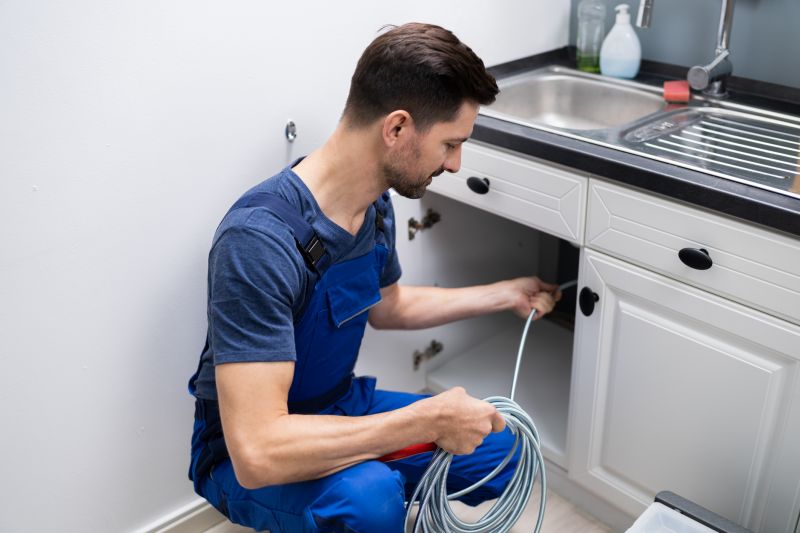 Sink cabinets are essential components in many kitchens and bathrooms, providing storage and supporting plumbing fixtures. Over time, wear and tear, water damage, or improper installation can lead to issues such as cabinet warping, loose hinges, damaged panels, or leaking connections. Addressing these problems promptly can help maintain the functionality and appearance of your sink area. Repair products designed for sink cabinets offer a variety of solutions to fix common issues effectively and efficiently.
Top Overall Option
Multi-Purpose Cabinet Repair Kit
A versatile repair kit designed for a variety of sink cabinet issues, including cracks, loose joints, and surface damage. It typically includes adhesives, fillers, and fasteners suitable for wood and laminate surfaces, offering a comprehensive solution for common repair needs. Easy to apply and suitable for DIYers, this kit helps restore structural integrity and appearance with minimal effort.
Types of Products For Sink Cabinet Repairs
Wood Glue and Adhesives
Specialized glues for bonding broken or loose wooden parts, providing strong, durable adhesion for cabinet panels and joints.
Cabinet Repair Fillers
Fillers designed to repair cracks, holes, and surface damage, blending seamlessly with surrounding material.
Laminates and Veneers
Replacement surface coverings for damaged or worn laminate or veneer finishes, restoring appearance.
Fasteners and Hinges
Replacement hinges, screws, and brackets to fix loose or broken door hinges and support structures.
Waterproof Sealants
Sealants to prevent water leaks and protect wood surfaces from moisture damage.
Panel Replacement Kits
Complete kits for replacing damaged or warped panels, including panels and mounting hardware.
Corner Brackets and Reinforcements
Metal brackets and reinforcements to stabilize weak joints and corners.
Veneer Repair Kits
Tools and materials for repairing damaged veneer surfaces on cabinets.
Clamps and Presses
Clamping tools to hold parts in place during adhesive curing or filling.
Paint and Finish Touch-Ups
Paints, stains, and touch-up kits to match original finishes after repairs.
Leak Repair Kits
Specialized kits for sealing leaks around plumbing connections in sink cabinets.
Structural Support Braces
Support braces to reinforce sagging or weak cabinet frames.
Replacement Handles and Knobs
New hardware to replace damaged or missing handles and knobs for cabinet doors.
Soundproofing Materials
Materials to reduce noise and vibrations from cabinet doors and drawers.
Popular Choices
Comprehensive kits that include multiple repair components for various cabinet issues, popular among DIY enthusiasts.
Sets containing multiple shades and types of fillers for seamless repairs on wood surfaces.
Hinges that allow for easy adjustments to door alignment and movement.
Flexible tape designed to seal leaks and cracks, providing a quick temporary fix.
Pre-cut sheets for quick veneer repairs, matching common cabinet finishes.
Strong brackets for supporting sagging or heavily loaded cabinets.
Sealant designed to protect against water infiltration and damage.
Magnetic catches to replace broken or worn-out door latches.
Epoxy adhesives that cure rapidly for fast repairs on broken parts.
Replacement slides for smooth opening and closing of drawers.
Pens that allow for precise color matching and minor touch-ups.
Malleable putty suitable for filling gaps and cracks in various surfaces.
Supports that allow for repositioning shelves easily after repairs.
Devices to control door closing speed and prevent slamming.
When considering repairs, it's important to assess the extent of the damage. Minor issues like loose hinges or small cracks can often be resolved with simple repair kits or adhesives. For more significant damage such as warped panels or broken structural elements, more robust solutions like replacement panels or reinforcement products may be necessary. Using the right repair products not only restores the cabinet's stability but also helps prevent further damage and extends the lifespan of your cabinetry.
Choosing the appropriate repair products depends on factors such as material compatibility, ease of application, and durability. Many repair kits include adhesives, fillers, and fasteners designed specifically for wood, laminate, or particleboard surfaces commonly used in sink cabinets. Proper preparation, including cleaning and drying the damaged area, enhances the effectiveness of these products. Additionally, some repair solutions are designed to be minimally invasive, allowing for quick fixes without extensive dismantling.
Investing in quality repair products can make maintenance straightforward and less costly over time. Whether you're tackling a small crack or a major structural repair, selecting the right tools and materials will contribute to a professional-looking, long-lasting result. Regular inspection and timely repairs can keep your sink cabinet functioning smoothly and looking good for years to come.
Key Buying Considerations
- Material compatibility: Ensure the repair product is suitable for the cabinet's material, whether wood, laminate, or particleboard.
- Extent of damage: Choose repair solutions appropriate for minor surface issues or structural repairs.
- Ease of application: Select products that match your skill level, from simple adhesives to more involved panel replacements.
- Durability: Consider the longevity of the repair, especially in moisture-prone areas like under sinks.
- Water resistance: Prioritize waterproof or water-resistant products to prevent future water damage.
- Color matching: For surface repairs, select fillers or paints that blend seamlessly with existing finishes.
- Curing time: Be aware of drying and curing times to plan your repair process efficiently.
- Compatibility with plumbing: Ensure repair products do not interfere with plumbing fixtures or water lines.
- Cost-effectiveness: Balance quality and price to get effective solutions without overspending.
- Availability: Check if replacement parts or repair kits are readily available for your specific cabinet model or type.
- Tools required: Some repairs may require additional tools like clamps, drills, or sanders.
- Environmental conditions: Consider whether the repair will be exposed to moisture, heat, or other environmental factors.
- Finish options: Decide if you need a repair that can be painted or finished to match existing surfaces.
- Reversibility: Some repairs may be temporary or permanent; choose according to your long-term needs.
- Safety considerations: Use products that are safe to handle and do not emit harmful fumes during application.
This page contains affiliate links. We may earn a commission if you purchase through these links, which helps support our content creation.